Order standard, premium or luxury business cards after confirming the finished size, quantity, stock, print sides, finish, artwork, required date and delivery destination. This general service page covers practical options; the existing luxury page remains focused on specialised premium constructions.
Question
What specifications affect business card printing?
Direct answer
The standard calculator specification is 3.5 × 2 inches, double-sided full colour on 350gsm art card with matte lamination. Available planning choices include 300gsm, 350gsm and 400gsm stocks; unlaminated, matte, gloss or velvet finishes; and square or rounded corners.
Details
Digital or offset production is selected by quantity. Multiple employee names, custom sizes, foil, spot UV, embossing and special constructions require separate preparation and confirmation.
Practical guidance
Check every name, role, phone number, email, QR code and social handle at final size before approval.
Choose a card level that fits use, handling and brand presentation
A business card must keep names and contact details readable while representing the brand consistently. Stock, lamination and premium finishes change feel, durability, colour and production setup. Prices and timing are confirmed only after the complete specification and artwork are reviewed.
Standard business cards
Standard cards suit routine networking, counters, sales teams and larger staff requirements. Confirm the finished size, quantity per name, print sides and whether the design is shared across several people. A practical coated or uncoated stock and straightforward finish can be reviewed according to current availability.
Matte vs gloss lamination
Matte lamination reduces surface shine and can support a restrained appearance, but dark solids may show handling marks and some colours can appear less vivid. Gloss lamination reflects more light and can increase perceived colour depth, but glare can reduce readability at certain angles. Velvet or soft-touch has a different tactile purpose. Choose after reviewing artwork contrast, handling, writing requirements and a relevant material sample—not from finish names alone.
Luxury and specialty cards
Luxury work may involve thick or specialty stocks, foil, embossing, spot UV, layered constructions or other processes. These choices require suitable artwork, practical minimum quantities and additional setup. Use the dedicated luxury business-card page for specialised inspiration, then request a written quotation for the exact construction.
Sizes, quantities and versions
Provide the exact finished dimensions and orientation. Common card proportions can be reviewed alongside square, folded or custom formats where practical. State the total quantity and the number of employee or branch versions because many small name batches can require different preparation from one identical run.
Supply a print-ready PDF with bleed where required, outlined or embedded fonts and all important content inside a safe area. Check names, roles, phone numbers, email addresses, website spelling, QR codes and social handles at final size. Small type, thin lines and low-contrast text should be corrected before approval.
Finishing and corner options
Matte, gloss, velvet, spot UV, foil, embossing and rounded corners may be available depending on stock, artwork and quantity. A finish should support the design rather than reduce legibility. Spot UV and foil need clearly defined artwork areas; embossing needs enough space and suitable detail for reliable registration.
Service methodology
Business Card Printing: specifications and production guidance
Order standard, premium and luxury business cards with suitable stocks, matte, gloss, velvet, spot UV, foil, embossing and rounded-corner options.
Suitable uses and requirements
visiting card printing Lahore
business card artwork preparation
business card size guide
matte vs gloss business cards
corporate visiting cards
Available sizes and measurements
Provide the finished width, height, orientation and corner shape. Non-standard sizes, folds, layers or multiple-name sets require separate review.
Materials or deliverables
Choose the card stock, weight, surface and any specialist construction after reviewing samples where appearance or stiffness is critical.
Printing technology or workflow
Digital or offset production is chosen from quantity, versions, coverage and finishing. Variable employee details must be supplied in an agreed structured format.
Finishing options
Unlaminated, matte, gloss, velvet, rounded corners, foil, spot UV, embossing and other specialist options apply only where listed and confirmed for the chosen stock.
File requirements
Supply the final approved file at the intended dimensions. A print-ready PDF is generally preferred; editable AI, CDR, PSD, EPS, SVG or suitable raster files may be reviewed by arrangement. Check spelling, names, dates, page order, codes and contact details before approval.
DPI and resolution guidance
For close-view raster artwork, 300 ppi at final size is a common target. Large-format work may use a lower effective resolution after scale and viewing-distance review. Changing only the resolution metadata does not add image detail.
CMYK and RGB guidance
CMYK is generally preferred for print artwork. RGB artwork may change during conversion. Identify spot colours and critical brand-colour requirements before proofing; screen appearance is not a guaranteed printed colour match.
Bleed and safe area
Bleed and safe-area requirements depend on the product, trim, fold, binding and production method. Confirm the required amount before export and keep essential text and logos away from trim, fold and binding edges.
Quantity considerations
State total cards and the quantity for each name or design. Several small name batches can price differently from one identical bulk run.
Production notes
Proof every name, title, telephone number, email, QR code, social handle and front/back orientation at final size. Fine foil, embossing and spot treatments need artwork separation and registration review.
Pricing methodology
Pricing is based on the complete specification, including dimensions, quantity, versions, material, print coverage, production method, finishing, artwork condition, packing, delivery, installation where relevant and applicable tax. A calculator result is a planning estimate unless a written quotation confirms it.
Delivery information
Pickup or delivery scope is confirmed per order. Suitable orders may be coordinated from Lahore for delivery across Pakistan, subject to product suitability, packing, courier availability, destination, charges and schedule. International shipping is reviewed separately and is not guaranteed.
Quality-control checkpoints
Record the approved dimensions, quantity, material, finishing and delivery scope.
Confirm names, numbers, dates, page order, barcodes, QR codes and variable data.
Use a digital or physical proof where the job and agreed workflow require one.
Produce from the approved specification and record material changes before continuing.
Inspect agreed finishing, count, packing and handover details before dispatch or collection.
Service questions
What details are needed for a Business Card Printing quotation?
Share the intended use, finished dimensions or deliverable scope, quantity or number of versions, material, finishing, artwork status, required date and pickup or delivery destination. Click2Print® will confirm applicable options in writing.
Does the displayed information guarantee the final price?
No. A web estimate or general price indication is not a final offer. The written quotation should confirm the complete specification, delivery scope, tax treatment and validity before production.
How is timing confirmed for Business Card Printing?
Timing depends on artwork readiness, material availability, quantity, production method, finishing, proof approval, packing and delivery. A deadline is accepted only when it is confirmed for the specific order.
Business card levels and price guidance
Guidance last updated 5 August 2026. No fixed price is represented as an offer. Use the price calculator for a planning estimate and request a written quotation for current stock, setup, finishing, tax and delivery confirmation.
Card level
Typical specification to discuss
Price and timing guidance
Standard
Straightforward stock, one or two printed sides, optional basic lamination
Usually the simplest production route; final price depends on quantity, versions, stock and artwork.
Premium
Heavier or selected stock with matte, gloss, velvet or rounded-corner options
Requires confirmation of material and finishing availability before price or timing is accepted.
Luxury
Specialty or layered stock, spot UV, foil, embossing or another involved finish
Special processes, setup and minimum quantities can materially affect the quotation and schedule.
Multiple names
One approved template with a checked list of employee or branch details
Version count and quantity per name affect preparation and production efficiency.
Custom size
Exact finished dimensions, orientation, corner shape and intended holder or use
Non-standard cutting or construction is reviewed before feasibility and price are confirmed.
Business card production references
Examples show possible visual directions only. Ask for current material samples or authorised recent production pictures before ordering.
Professional card layout
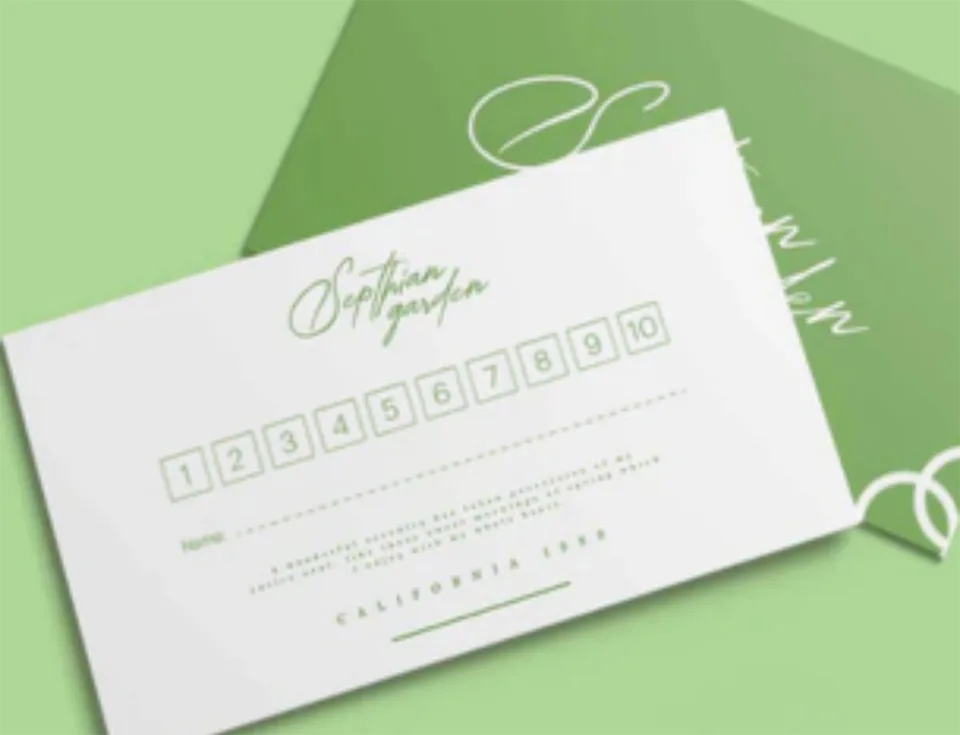
A clear identity and contact hierarchy designed for quick reading at final card size.
Brand-led card treatment
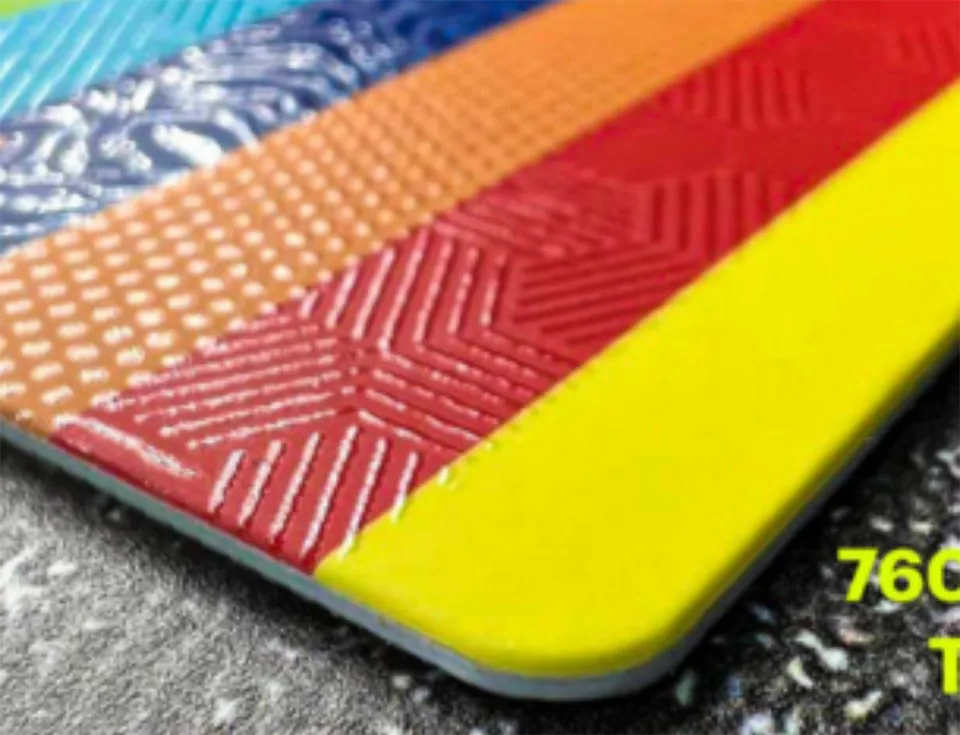
A colour-led reference where stock, lamination and printed colour must be reviewed together.
Premium finishing reference
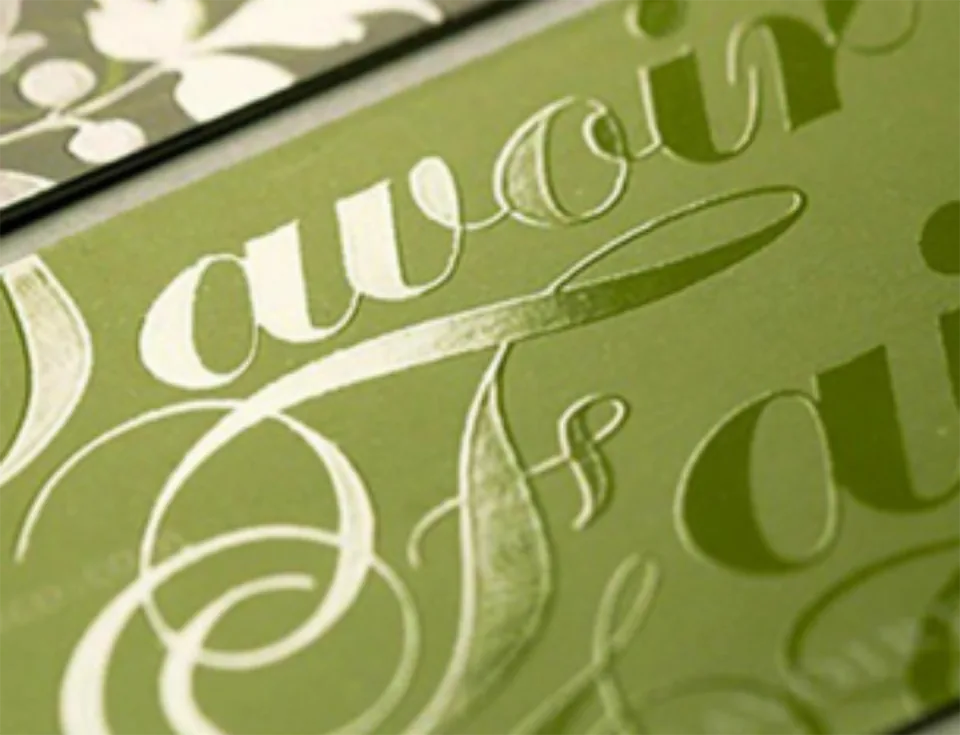
A presentation direction suitable for discussing selective finish, heavier stock or luxury production.
Direct answers before you place an order
What is a standard business card size?
There is no single worldwide standard that can safely be assumed. Common regional formats differ and a small dimensional change affects bleed, safe area, holders and cutting. Confirm the exact finished width, height and orientation with Click2Print before designing; do not resize completed artwork merely to match a different template.
What business card quantity should we choose?
State the total quantity plus the quantity for each person, branch or design. Setup, sheet use, finishing and version changes mean several small name batches can behave differently from one identical run. The practical quantity and production method are confirmed from the complete specification rather than a generic package.
Should we choose matte or gloss lamination?
Matte is often selected for lower shine and a restrained feel; gloss is often selected for a shinier surface and stronger perceived colour. The better choice depends on artwork contrast, glare, handling, whether the card must be written on, stock compatibility and brand presentation. Ask to review a relevant sample where the finish is important.
Which paper or card stock is available?
Coated, uncoated, heavier and selected specialty stocks can be reviewed, but availability changes. Describe the desired feel, shade and durability, and share a reference where possible. The team will confirm a suitable current stock and whether the selected printing and finishing methods are compatible with it.
Can cards include matte, gloss, velvet, spot UV, foil or embossing?
These finishes may be available, individually or in a suitable combination, after the stock, artwork, quantity and setup are reviewed. Selective processes such as spot UV, foil and embossing need properly separated artwork and sufficient detail. Rounded corners can also be discussed for appropriate sizes and constructions.
What turnaround should we expect?
Turnaround is guidance only until confirmed in writing. It depends on approved artwork, quantity, number of names, stock availability, finishing, proof requirements, payment confirmation, current production schedule and delivery. Standard work may follow a simpler route than specialty foil, embossing or layered cards, but no same-day or fixed completion promise is made on this page.
Where can we calculate or request a business card price?
Use the printing price calculator and select Business Cards for a planning estimate, then submit the secure quotation form with the exact size, quantity, stock, finish, versions, artwork status, required date and delivery city. Calculator totals are estimates and are not final quotations, offers or production confirmations.